Unlocking secrets The psychology behind successful casino strategies
The Mindset of a Winning Gambler
The psychology of gambling is a complex interplay of emotions, behavior, and decision-making patterns. Successful gamblers often exhibit a certain mindset that combines confidence with caution. They understand the importance of managing their bankroll while also knowing when to take calculated risks, such as those offered by offshore betting sites. This balance allows them to stay in the game longer and enjoy the thrill without succumbing to reckless decisions.
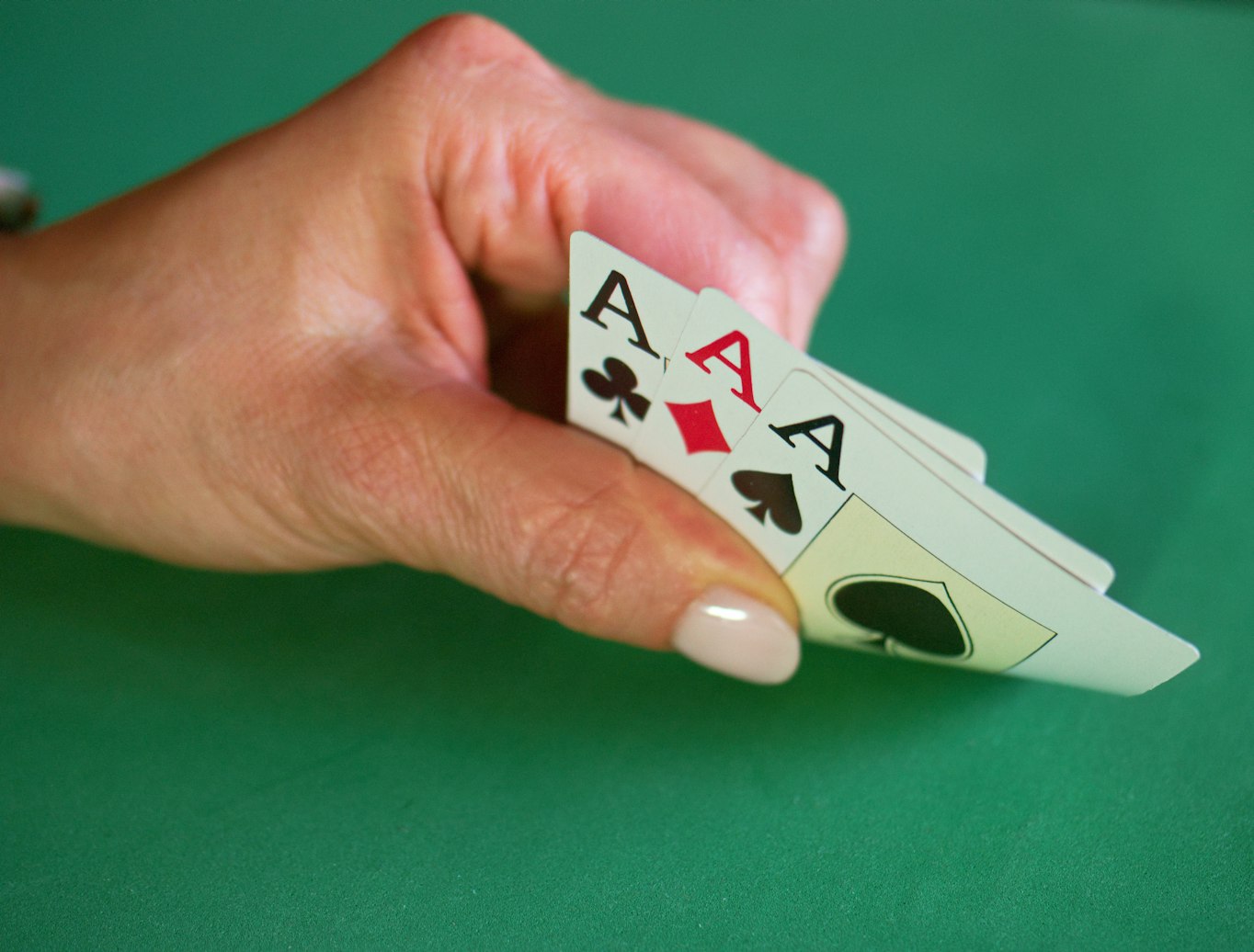
Moreover, successful gamblers often possess a strong sense of self-awareness. They recognize their emotional triggers and how those feelings can influence their betting patterns. By maintaining control over their emotions, these individuals can make rational choices, ensuring that their strategies remain sound, no matter the highs or lows of the game.
Strategies Rooted in Behavior Analysis
An understanding of human behavior plays a pivotal role in successful casino strategies. Gamblers who analyze previous outcomes and patterns are more likely to develop strategies based on learned behaviors. For instance, many players employ the concept of the “hot hand,” believing that past successes can predict future wins. This belief can lead to both positive and negative outcomes, highlighting the importance of psychological factors in gaming. It is the influence of each gambler’s psychology that often determines their success at the tables.
Additionally, applying behavior analysis extends beyond individual games; it also considers how players react in social environments. The presence of peers can influence betting behavior, often leading to more aggressive strategies. Recognizing these social dynamics can provide gamblers with the insight needed to adjust their tactics accordingly, maximizing their chances of success.
The Role of Risk and Reward in Decision Making
The fundamental principle of gambling revolves around risk and reward, making it essential for players to understand their own risk tolerance. Successful gamblers often assess the risks associated with their strategies, weighing potential losses against potential gains. This evaluative process is inherently tied to psychological factors such as fear and temptation, which can either hinder or help decision-making.
Moreover, the thrill of a potential reward can sometimes cloud judgment, leading to impulsive bets. Therefore, successful gamblers learn to exploit their psychological responses to risk, striking a balance that maximizes profit while minimizing exposure to loss. Mastery of this aspect of psychology is often what differentiates the savvy player from the novice.
The Influence of Environment and Design
The casino environment itself plays a crucial role in shaping gambling behavior. Factors such as lighting, sound, and layout are strategically designed to create an atmosphere that encourages players to spend more time—and money—at the tables. Successful gamblers are aware of these manipulative elements and can use this knowledge to their advantage, choosing times and locations that suit their strategies.
Furthermore, understanding the psychology behind casino design can help players develop more strategic approaches. For instance, they might limit their exposure to high-pressure environments that encourage hasty decisions, opting instead for settings that allow for thoughtful gameplay. By recognizing these influences, gamblers can craft their gameplay to align with their psychological strengths.

Engaging and Empowering through Awareness
While engaging in gambling, it’s critical to stay informed about the psychological dynamics at play. Resources that educate players about the mental aspects of gaming can serve as powerful tools in promoting responsible behavior. For instance, players are encouraged to seek educational platforms that provide insights into gambling strategies and psychological principles. This knowledge can help foster a healthier relationship with gambling and reduce the chances of falling into unproductive patterns.
Ultimately, being aware of the psychological factors that influence decision-making in casinos can empower players to create successful strategies. By blending emotional control with strategic analysis, they can approach gambling not just as a game of chance, but as a calculated exploration of risk and reward. For those seeking deeper insights into responsible gaming, various resources are available to assist in developing an informed approach to gambling.
